
Blocked drains are a common household problem that can cause major inconvenience and frustration. From clogged sinks to backed-up toilets, dealing with blocked drains can quickly turn into a nightmare. However, with the right knowledge and preventative measures, you can easily avoid this pesky issue. In this article, we’ll share some helpful tips and tricks to keep your drains flowing smoothly. So, let’s dive in and click here to learn more!

The Importance of Regular Maintenance
We often take our drains for granted until they become blocked and disrupt our daily routine. However, regular maintenance is key to preventing blocked drains. You don’t need any fancy equipment or specialized skills, just a few simple habits that can save you from potential headaches down the line.
First and foremost, make sure to clean your drain stoppers and shower screens regularly. They can easily get clogged with hair, soap scum, and other debris, leading to slow draining and eventually blockages. Additionally, it’s essential to avoid pouring grease and oil down your kitchen sink as they can solidify and harden in the drains, causing nasty blockages.
Another tip is to invest in a drain strainer. These inexpensive devices fit over your drain and trap any food particles, hair, or other debris from going down the drain. Simply empty the contents and rinse it off periodically, and you’ll significantly reduce the risk of blocked drains.
Unclogging Solutions
If you’re facing a blocked drain, don’t panic! There are several DIY solutions you can try before calling a plumber. One of the most effective methods is using a plunger. Make sure the plunger head fully covers the drain opening, add some water, and plunge in an up-and-down motion. This will create pressure and dislodge any blockages.
Another alternative is using a homemade drain cleaner. A mixture of equal parts baking soda and vinegar poured down the drain can help dissolve and loosen clogs. Let it sit for about 15 minutes, then pour boiling water down the drain to flush out any remaining debris.
If these methods don’t work, you can try using a drain snake or auger, which are specially designed tools to remove stubborn blockages. Insert it into the drain and twist and turn until you feel some resistance. Keep twisting until the auger breaks through the blockage, then pull it out and run hot water down the drain.
The Benefits of Professional Drain Cleaning
While DIY solutions may work for minor blockages, sometimes it’s best to leave the job to the professionals. Regular professional drain cleaning has many benefits, including removing years of built-up debris, preventing future blockages, and improving the overall longevity of your plumbing system.
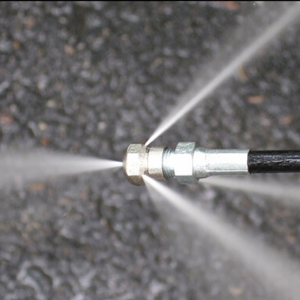
A professional plumber will have the necessary equipment, such as high-pressure jets, to blast away any stubborn blockages without causing damage to your pipes. They can also use cameras to inspect the inside of your drains and identify any potential issues before they become major problems.
Tips for Preventing Blocked Drains
Prevention is always better than cure, especially when it comes to blocked drains. Here are some additional tips to keep your drains running smoothly:
- Avoid flushing anything besides toilet paper down the toilet
- Regularly clean and maintain your gutters to prevent debris from clogging your outdoor drains
- Use a quality drain cover to catch any debris before it goes down the drain
- Never dispose of grease or oil down the drain
- Schedule regular professional drain cleaning every 1-2 years, depending on your usage and household size
In Conclusion
Blocked drains can be frustrating but with proper maintenance and a few simple tricks up your sleeve, you can easily avoid them. Remember to regularly clean your drains, use preventative measures, and consult a professional if you’re facing stubborn blockages. By implementing these tips, you’ll have a smooth-running home and say goodbye to blocked drains for good. Click here to learn more about maintaining a healthy plumbing system.



 English